Planning an event is a bit like baking a cake: you need the right ingredients, the right timing, and a dash of creativity. When it comes to treats, chocolate is usually the star. But how do you decide which chocolate will make your guests smile, not melt their hearts (or their plates) in the process? This article walks you through the steps of how to choose chocolate for event planning, turning the task from a sticky mess into a smooth, delicious decision.
Understanding Your Audience and Event Goals
Before you even open a chocolate box, ask yourself: Who am I feeding? What vibe am I creating?
Audience Demographics
- Age range: Children love playful shapes; adults appreciate nuanced flavors. Cultural background: Some cultures have a strong affinity for dark chocolate, while others prefer sweeter milks. Dietary restrictions: Gluten-free, vegan, or nut-free options may be required.
Event Theme and Mood
- Elegant gala: Think sophisticated, dark chocolate truffles. Casual picnic: Light, melt‑free chocolate bars or chocolate-covered fruit. Kids’ birthday: Brightly colored chocolate shapes, maybe with a fun twist like a chocolate “candy cane” for a winter theme.
By aligning chocolate choices with your audience and theme, you set the stage for a memorable tasting experience.
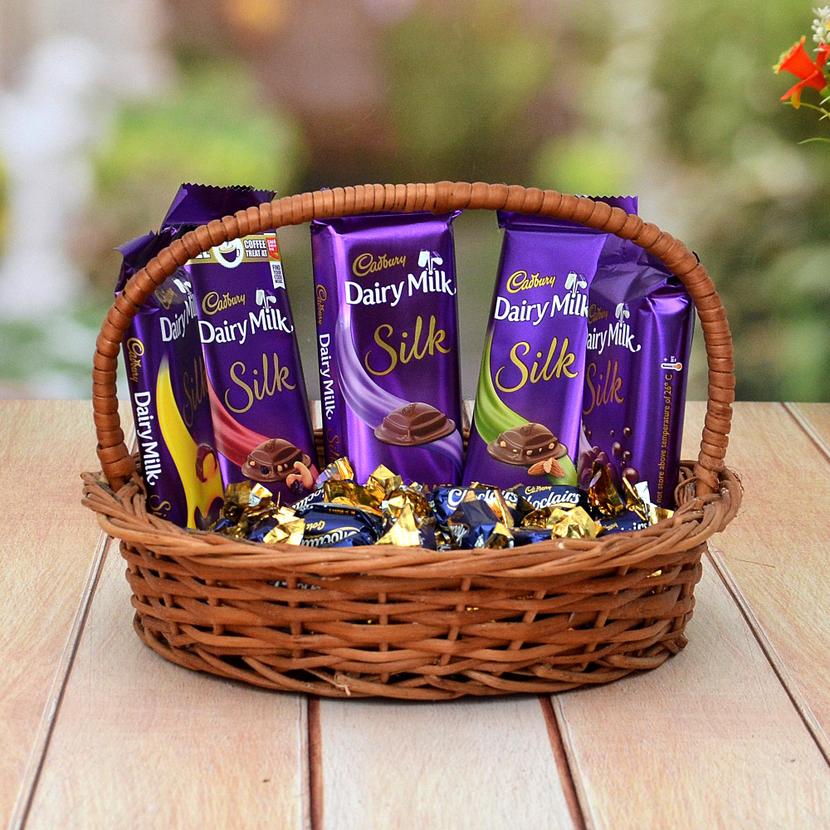
Chocolate Basics: Types and Flavor Profiles
Chocolate Gifts for teens isn’t just chocolate. Understanding the core varieties helps you match flavor to occasion.
Dark, Milk, and White – The Trio
- Dark chocolate: High cocoa content, bittersweet, and often considered a healthful indulgence. Milk chocolate: Creamier, sweeter, and universally popular. White chocolate: Technically not chocolate (no cocoa solids), but rich and buttery, great for decorative purposes.
Specialty Varieties
- Single‑origin: Chocolates sourced from a single country or region, offering unique flavor notes. Truffles and ganaches: Rich, silky fillings wrapped in chocolate, ideal for luxury settings. Chocolate with inclusions: Nuts, sea salt, dried fruit, or spices add texture and complexity.
Knowing these categories lets you quickly shortlist options that fit your event’s narrative.
Matching Chocolate to the Event
The real art lies in pairing chocolate type and presentation with the event’s purpose.
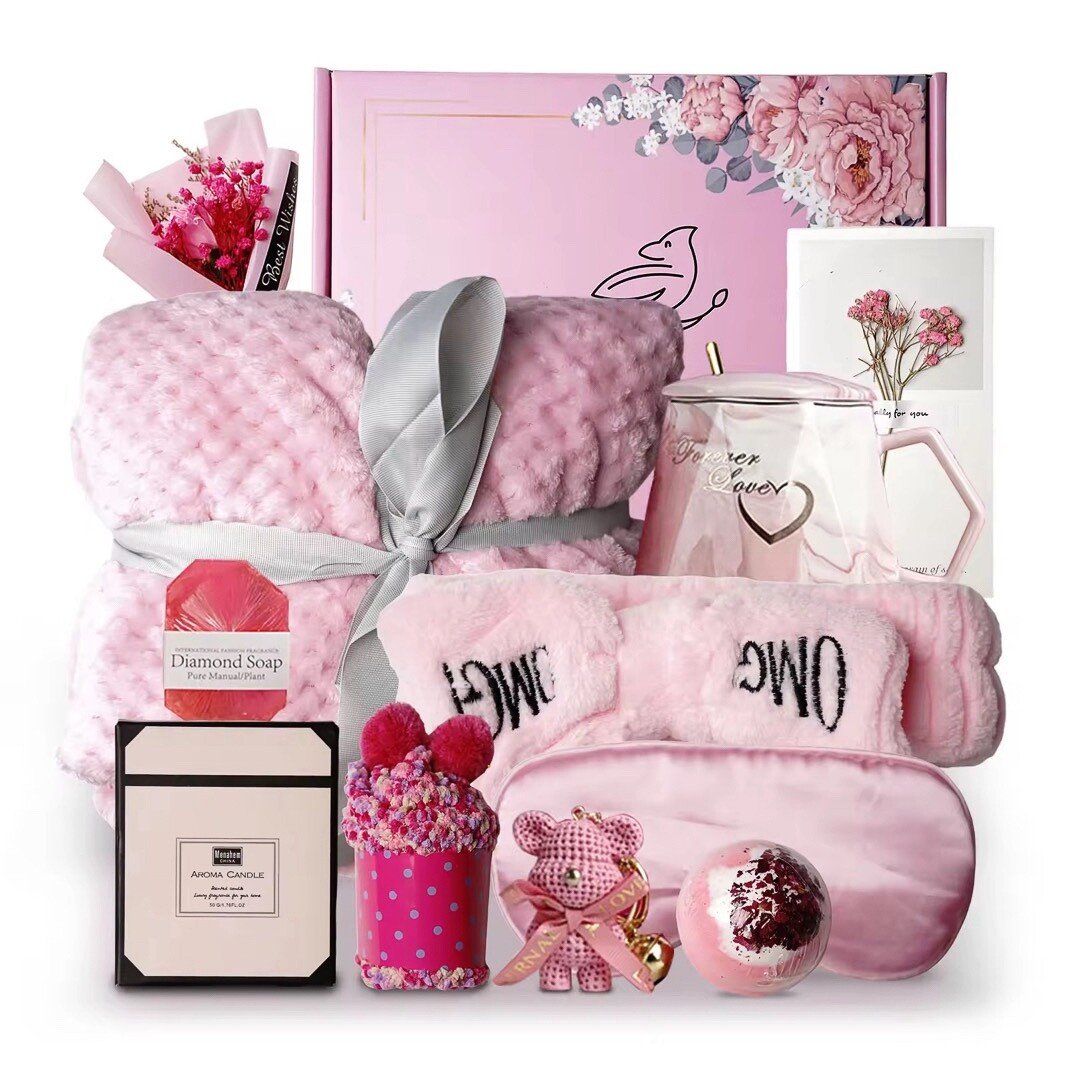
Weddings and Romantic Events
- Why choose dark chocolate? Its deep flavor pairs beautifully with wine and adds a touch of sophistication. Add a personal touch: Custom‑engraved chocolate hearts or wedding‑date truffles create a keepsake that guests will cherish.
Corporate Functions and Professional Settings
- Impression matters: High‑quality milk chocolate bars with a minimalist wrapper convey professionalism. Practicality: Offer chocolate in bite‑sized pieces so attendees can enjoy them between networking sessions without a mess.
Children’s Parties and Casual Gatherings
- Fun shapes: Chocolate “candy” in the form of animals or stars. Safety first: Opt for chocolate with low sugar content and no nuts if allergies are a concern.
By tailoring chocolate to the event type, you avoid the dreaded “too sweet” or “too bitter” scenario.
Practical Considerations: Budget, Storage, and Logistics
Even the best chocolate can fall flat if logistics aren’t handled properly.
Budgeting for Chocolate
- Premium vs. standard: Premium chocolate can cost 2–3× more but often justifies the price with superior flavor. Bulk discounts: Many suppliers offer tiered pricing; ordering a larger quantity can lower the per‑piece cost.
Storage Requirements
- Temperature control: Most chocolate should be kept below 70 °F (21 °C) to prevent bloom. Humidity: Keep chocolate away from moisture; a sealed container is your best friend.
Delivery and Presentation
- Timing: Schedule delivery a few hours before the event to ensure freshness. Display: Use a chilled platter for melt‑free chocolate or a decorative stand for truffles to elevate the visual appeal.
Managing these practicalities ensures the chocolate arrives in prime condition and looks as good Continue reading as it tastes.
Adding a Personal Touch: Customization and Branding
When chocolate becomes a branding tool, it turns a simple treat into a lasting impression.
Engraving, Packaging, and Gifting
- Custom wrappers: Include logos or event dates. Gift bags: Add a small note or a ribbon to make the chocolate feel like a personalized gift.
Incorporating Event Themes
- Seasonal flavors: Pumpkin spice chocolate for fall, peppermint for winter. Cultural motifs: Use traditional designs or colors that resonate with the event’s cultural backdrop.
These touches transform chocolate from a snack into a storytelling element.
The Final Sweet Touch: Making Your Selection Count
When you ask how to choose chocolate for event planning, you’re really looking for guidance on flavor, form, and presentation. Remember, the question of how to choose chocolate for event planning often boils down to understanding your guests, aligning with your theme, and handling logistics like a pro. By following these steps, you’ll create a chocolate experience that’s as memorable as the event itself.
> “Chocolate is the answer. Who cares what the question is.” – A famous chocolatier who once tried to explain his love for cocoa.
If you’re still wondering how to choose chocolate for event planning, consider these steps:
- Identify your audience and theme. Pick a chocolate type that fits. Ensure proper storage and delivery. Add a personal or branded touch.
Your guests will thank you—one bite at a time.